

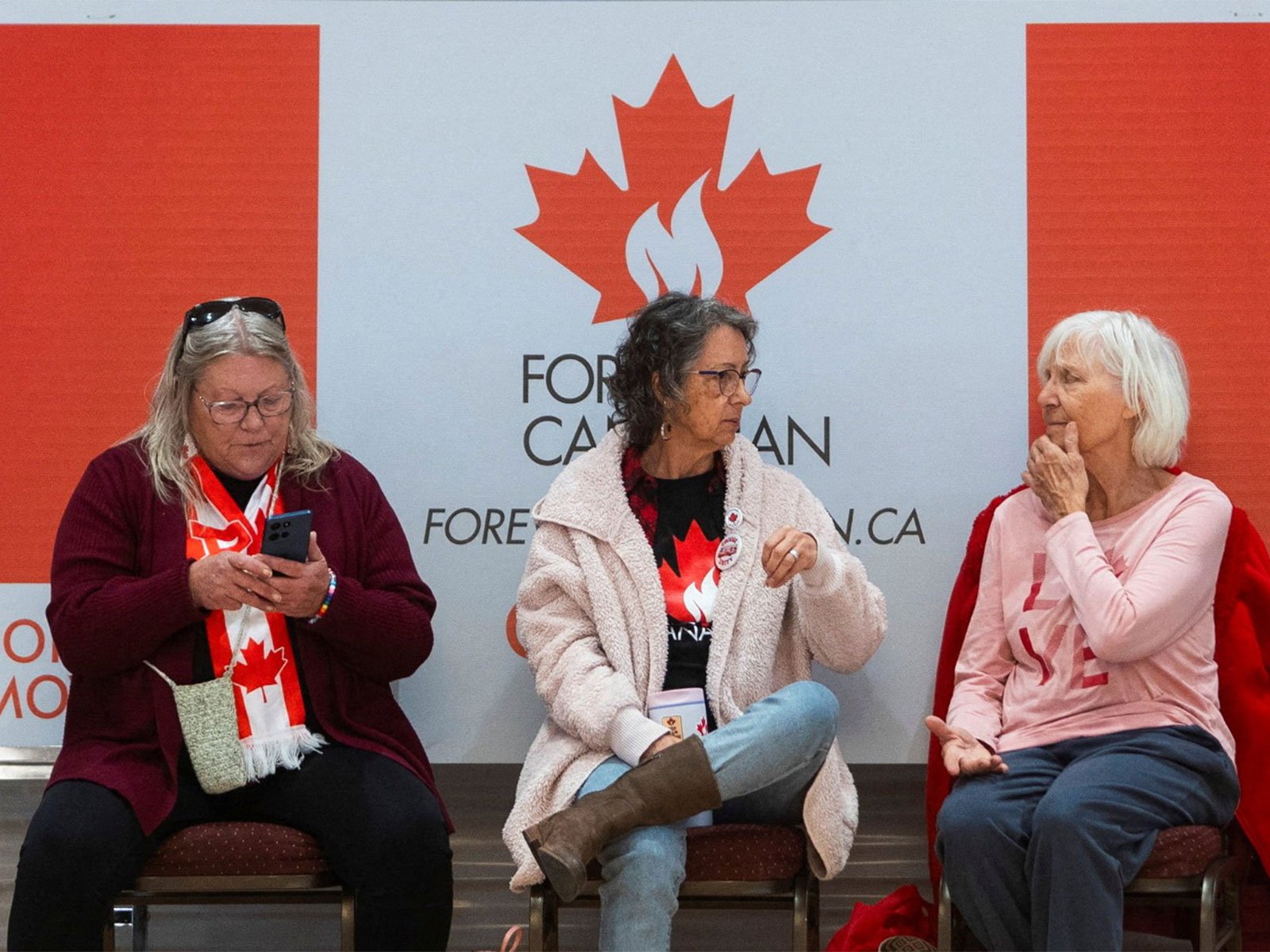
Alberta [Canada], October 20 (ANI): Canada’s Alberta province is awaiting the results of a 10-question referendum covering separation from Canada, immigration policies and constitutional changes, with voting delays pushing back the expected announcement of results, according to the Canadian Broadcasting Corporation (CBC).
More than 100 voting locations remained open beyond the scheduled closing time of 8 pm (local time) on Monday due to delays, meaning results were not expected until at least 10 pm Mountain Time, CBC reported.
The referendum, held on Monday (local time), asked voters to weigh in on a range of issues, including whether Alberta should remain part of Canada or begin the process of holding a binding vote on separation.
The 10th question on the ballot asked, “Should Alberta remain a province of Canada, or should the Government of Alberta commence the legal process required under the Canadian Constitution to hold a binding provincial referendum on whether or not Alberta should separate from Canada?”
The other nine questions focused on immigration and constitutional changes. The first asked, “Do you support the Government of Alberta taking increased control over immigration for the purposes of decreasing immigration to more sustainable levels, prioritising economic migration and giving Albertans first priority on new employment opportunities?”
The second question asked, “Do you support the Government of Alberta introducing a law mandating that only Canadian citizens, permanent residents and individuals with an Alberta-approved immigration status will be eligible for provincially-funded programs, such as health care, education and other social services?”
The third question asked whether the provincial government should require non-permanent residents to live in Alberta for at least 12 months before qualifying for provincially funded social support programmes. It asked, “Assuming that all Canadian citizens and permanent residents continue to qualify for social support programs as they do now, do you support the Government of Alberta introducing a law requiring all individuals with a non-permanent legal immigration status to reside in Alberta for at least 12 months before qualifying for any provincially-funded social support programs?”
The fourth question sought views on charging non-permanent residents for access to public health care and education. It asked, “Assuming that all Canadian citizens and permanent residents continue to qualify for public health care and education as they do now, do you support the Government of Alberta charging a reasonable fee or premium to individuals with a non-permanent immigration status living in Alberta for their and their family’s use of the healthcare and education systems?”
The fifth question asked, “Do you support the Government of Alberta introducing a law requiring individuals to provide proof of citizenship, such as a passport, birth certificate or citizenship card, to vote in an Alberta provincial election?”
The remaining questions dealt with constitutional matters and the distribution of powers between provincial and federal governments.
The sixth question asked, “Do you support the Government of Alberta working with the governments of other willing provinces to amend the Canadian Constitution to have provincial governments, and not the federal government, select the justices appointed to provincial King’s Bench and Appeal courts?”
The seventh question asked, “Do you support the Government of Alberta working with the governments of other willing provinces to amend the Canadian Constitution to abolish the unelected federal Senate?”
The eighth question asked, “Do you support the Government of Alberta working with the governments of other willing provinces to amend the Canadian Constitution to allow provinces to opt out of federal programs that intrude on provincial jurisdiction such as health care, education, and social services, without a province losing any of the associated federal funding for use in its social programs?”
The ninth question asked, “Do you support the Government of Alberta working with the governments of other willing provinces to amend the Canadian Constitution to better protect provincial rights from federal interference by giving a province’s laws dealing with provincial or shared areas of constitutional jurisdiction priority over federal laws when the province’s laws and federal laws conflict?”
According to CBC, all 10 questions are non-binding, meaning the provincial government is not legally required to act on the results. There is also no minimum voter turnout required for the results to be considered valid.
Ahead of the vote, CBC reported on differing perspectives among Albertans and Canadians with personal connections to the province, reflecting a range of views on whether Alberta should remain within Canada or pursue independence. (ANI)
